Our Story

Built by PC People, for PC People

We test hardware the way you'd actually use it — not inside a climate-controlled lab with manufacturer pre-installed drivers. Real rigs, real games, real workloads.

How We Started

Tired of benchmarks that didn't match reality

ByteBench started in 2023 as a side project between three friends who kept arguing about benchmark numbers online. We'd read a glowing review of a CPU, drop $400 on it, and find it ran maybe 8% faster than what we already had — not the 35% the chart showed.

The problem wasn't that reviewers were lying. It was that they tested hardware in configurations most people don't have: latest-gen platforms, ultra-fast DDR5, no background processes, components that weren't available at retail prices. We decided to test everything under realistic conditions instead.

We started publishing results. People found them. Word spread. Now we're a small but focused team putting out honest hardware coverage every week — no PR samples with strings attached, no affiliate quota to hit, no manufacturer review embargo that softens our tone.
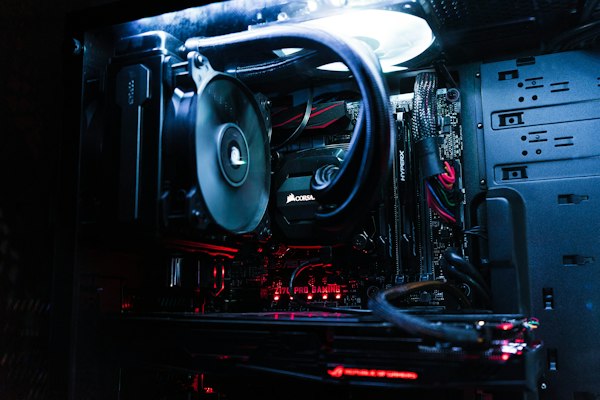
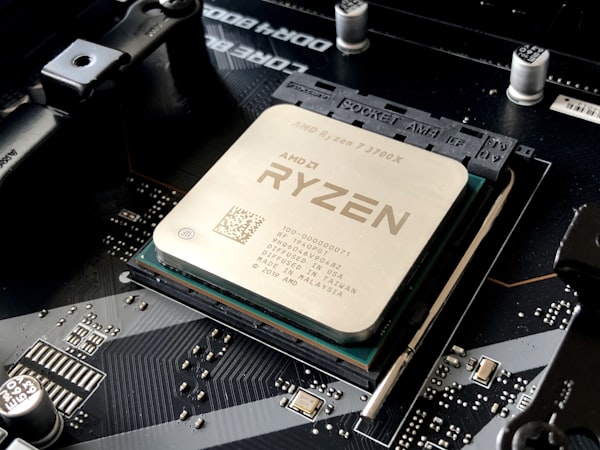
PC build workbench

What We Stand For

The principles we actually follow

Reproducible Results

We publish our test conditions with every benchmark — OS version, driver version, RAM timings, test tool version. If you can't reproduce our numbers, we want to know why.

We Pay Retail

Most review units come with expectations. We buy our test hardware at regular retail prices — from Amazon, Newegg, Micro Center — so there's no subtle pressure to soften a verdict.

Straight Talk

If a $350 GPU underperforms a two-year-old card in the same bracket, we say so. We aim for the same tone we'd use when a friend asks "should I actually buy this?"

Long-Term Testing

We don't post a review after 48 hours. We run hardware through a full week of varied loads — gaming, content creation, overnight renders, idle thermals — before we publish anything.

Open Data

Raw benchmark outputs are available in every review — not cherry-picked screenshots but the full export from Cinebench, 3DMark, Crystal DiskMark, or whatever tool we ran.

We Update Old Reviews

Driver updates change things. Price drops change the value proposition. We revisit older reviews when something significant shifts — you'll see the "updated" date prominently at the top.

The Team

Three people, a lot of hardware, one rule

If we wouldn't tell a friend to buy it, we won't tell our readers to either.

Ryan Cross

Ryan Cross

Lead Tester & CPU Specialist

Ryan has built or benchmarked over 140 systems since his first Pentium 4 build in 2003. He handles all CPU and platform reviews, manages the benchmark database, and is personally responsible for why the office is never quiet during Cinebench runs.

Lisa Kim

Lisa Kim

GPU & Display Specialist

Lisa came from game development, which makes her unusually well-suited for GPU reviews — she understands what those frame times actually feel like when you're playing rather than watching a graph. She also covers gaming monitors and has very strong opinions about response time marketing claims.

Marcus Thorn

Marcus Thorn

Budget Builds Editor

Marcus specializes in the $400–$800 build bracket — the range where component selection actually matters most. He writes the budget build roundups and how-to guides, and he has a gift for explaining thermal paste application without making it sound scary.

Benchmark testing setup

Our Process

How we actually run benchmarks

1

Fresh Windows install

Every benchmark starts from a clean Windows 11 install with no extra software beyond the test tools and game launchers.

2

Consistent background state

Windows Update is paused, no antivirus is running, and we use the same power plan for every test. The only variable is the component being reviewed.

3

Multiple runs, median reported

We run every synthetic benchmark at least three times and report the median, not the highest or lowest. Variance is also noted when it's meaningful.

4

Thermal data included

Peak temps under load, not just idle readings. We also log temperatures 20 minutes into sustained load, because that's when throttling actually shows up.

300+ Components Tested
3yrs Running Since 2023
Zero Paid Placements
100% Retail-Purchased Hardware

Transparency

Affiliate & business disclosure

ByteBench participates in affiliate programs including Amazon Associates and Newegg's affiliate network. When you click certain product links and make a purchase, we earn a small commission at no extra cost to you. This is one of the ways we fund hardware purchases for testing.

Affiliate links never influence which products we recommend or how we score them. A product with no affiliate link will receive the same evaluation as one that earns us a commission. If a product is bad value, we say so regardless of affiliate arrangements.

ByteBench is operated by MICHELLE RODRIGUEZ SOLE MBR, 30 N Gould St Ste R, Sheridan, WY 82801. For business inquiries: kushagra@kareerllc.com